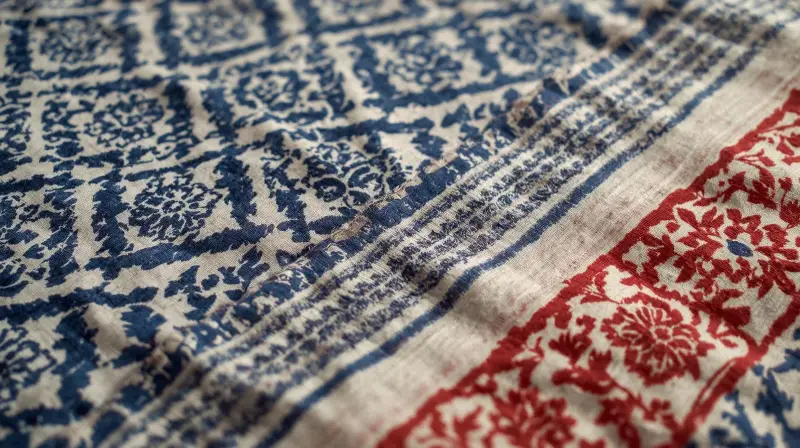
There is something immensely charming about traditional Indian textiles. They carry stories of craft, heritage, and design that go back centuries. Among the many gems in India’s textile heritage, Ajrakh printing stands out as an art form that is mesmerizing and deeply rooted in history. If you have ever come across a saree that seems to burst with detailed geometric motifs and earthy hues, you might have been looking at an Ajrakh-printed masterpiece. The result of painstaking manual work and the clever use of natural dyes, Ajrakh sarees are a blend of old-world charm and contemporary style.
Today, we are going to explore everything you need to know about Ajrakh printing on sarees. We will look at its fascinating roots, the intricate steps involved, and the ways you can embrace Ajrakh sarees in your own closet.
The Origins and History of Ajrakh Printing
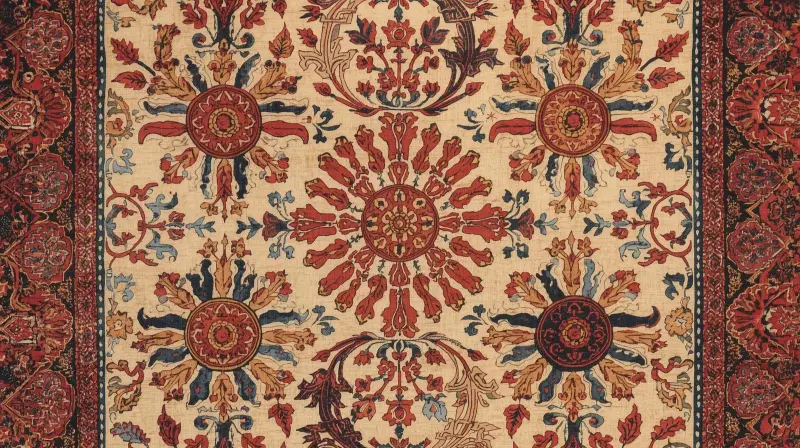
Ajrakh printing is believed to have originated in the region of Sindh, which is now part of Pakistan. Over time, it found a prominent place in the Kutch region of Gujarat and some parts of Rajasthan in India. The craft is primarily practiced by communities that specialize in block printing, dyeing, and weaving techniques. Historically, Ajrakh prints graced turbans, stoles, and yardage for clothing. With time, the craft evolved to meet changing tastes, eventually finding a prominent spot in the making of sarees, dress materials, and home furnishings.
The word “Ajrakh” is said to have linguistic roots pointing to the color blue, which is a defining element in many Ajrakh prints. Some interpretations suggest it might be derived from “azrack”, the Arabic word for “blue,” while others link it to local terms that highlight the day-long processes needed for dyeing and printing. Regardless of the precise etymology, the connection to deep blue shades is evident. Indigo which is derived from natural sources features prominently in Ajrakh designs, along with other earthy colors like rust red and black.
Historically, artisans who practiced Ajrakh printing enjoyed patronage from royal courts, wealthy traders, and local communities. The printing technique was used to create fabrics for special occasions and religious festivities. Over many generations, families perfected the formula of their dyes, the precision of their block printing, and the art of layering colors to achieve intricate patterns. The knowledge was passed on through apprenticeship, ensuring that younger family members would learn the craft from elders who had mastered it through decades of hands-on work.
Unraveling the Intricate Ajrakh Process
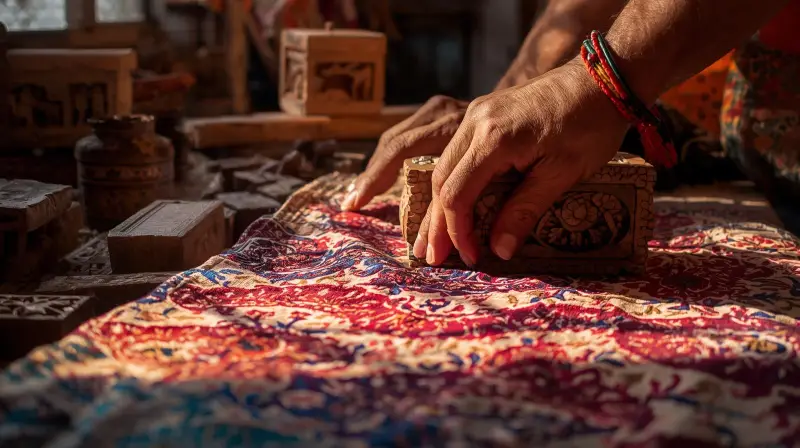
At first glance, an Ajrakh-printed saree might look like it has just two or three simple colors, but a closer look reveals multiple stages of printing, dyeing, washing, and drying. Each step is methodical and time-consuming, requiring precision and patience. Let us walk through these steps to appreciate the finesse that goes into every piece.
Fabric Preparation
Artisans usually start with cotton, though silk and other blends are also used at times. The fabric is thoroughly washed to remove any impurities or starch. It is then soaked in a solution made with natural ingredients like castor oil and goat dung. This might sound unusual, but it helps condition the fabric so that the natural dyes can bond properly with the fabric. The fabric is washed several times after each soak, ensuring that it is free of residue and ready to accept the dyes.
Printing with Resist Pastes
After the preliminary soaking, the first round of printing begins. Block printing tools are carved by skilled craftspeople who shape different motifs into wooden blocks. A resist paste often made of lime, gum, or clay is carefully applied using these blocks. The artisans dip the blocks into the paste, place them on the fabric with practiced precision, and create a design repeat. This ensures that certain parts of the fabric will resist subsequent layers of dye, preserving lighter shades or even the original white of the fabric.
Multiple Dye Baths
Once the resist paste has dried, the saree is immersed in the first dye bath. Traditional Ajrakh printing makes use of natural dyes like indigo, madder root, henna, and turmeric. Indigo provides the deep blue tones so characteristic of Ajrakh, while madder root produces rich reds. The fabric may undergo several dye dips, each contributing its own layer of color. After the first dye, the fabric is rinsed and set to dry. Artisans then apply another round of resist printing to protect certain areas from the next dye bath. This interplay of resist printing and dyeing results in multiple layers of color that eventually form complex patterns.
Sun-Drying and Washing
Sunlight plays a vital role in setting the dyes. After each dyeing round, the fabric is spread out under the sun. This helps deepen the colors and solidify the bond between the dye and the fabric. The fabric is also repeatedly washed in flowing water to remove any excess dye and ensure that the colors do not bleed later. This routine of dyeing, washing, and drying can go on for several cycles, depending on the complexity of the design and the number of colors used.
Final Touches
By the time the saree is ready, it has gone through multiple transformations. The final colors are vibrant yet earthy, showcasing the hallmark Ajrakh palette of indigo blues, rust reds, blacks, and whites. Some artisans might add details like mirror work or embroidery to enhance the print, although traditional Ajrakh is beautiful even without extra embellishments. Once the process is complete, the saree is inspected for consistency, ensuring that the patterns are aligned and the colors are evenly set.
The Mesmerizing Palette of Natural Dyes
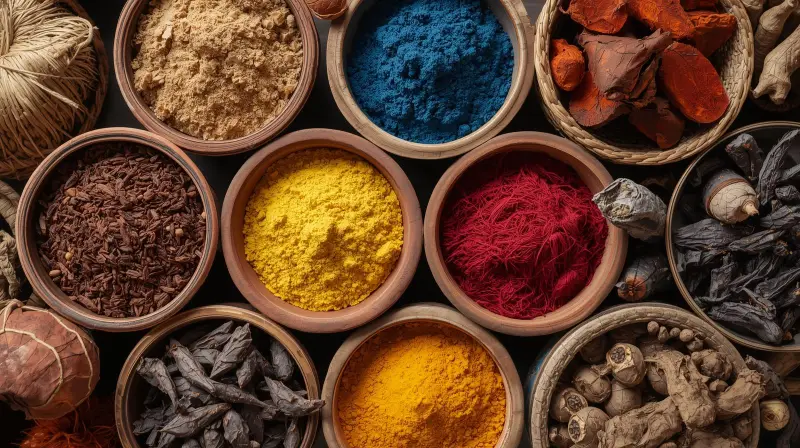
One aspect of Ajrakh printing that fascinates people is the emphasis on natural dyes. These dyes are not simply pigments that you buy from a shop. They are extracts from plants, minerals, and sometimes even insects. They have been used for centuries by various cultures around the world, but the Ajrakh artisans have perfected the art of combining them in ways that produce a balanced and harmonious design.
It is important to note that these natural dyes are eco-friendly and free of many harmful chemicals that are found in synthetic dyes. The complexity of making natural dyes, however, demands a high level of skill and experience. Artisans need to master the right proportions and conditions under which each dye works best. Variations in water quality, ambient temperature, and sunlight can affect the final color, making natural dyeing a delicate balancing act. This unpredictability adds to the charm of Ajrakh sarees, as no two pieces look exactly the same.
Indigo
Extracted from the leaves of the indigo plant, this dye is known for its rich blue color. Artisans ferment the leaves with other ingredients to create a concentrated form of dye. The process is somewhat magical. Fabrics that appear green when taken out of the dye bath turn blue upon exposure to the air.
Madder Root
This root produces a beautiful red or pinkish hue, depending on how it is processed and the fabric to which it is applied. In Ajrakh printing, the madder root is commonly used to give rust or brick-red tones.
Henna
Often recognized for its use in body art, henna can produce a warm brownish or reddish tinge on fabric. When combined with other mordants or used as part of a layered printing process, it can yield different shades of brown.
Turmeric
Known for its bright yellow color, turmeric has its limitations in terms of lightfastness, but it can still be used in certain areas of the pattern to highlight specific details. In some cases, artisans might use pomegranate peels or other plant-based materials to achieve a more durable yellow or golden tone.
Motifs and Patterns
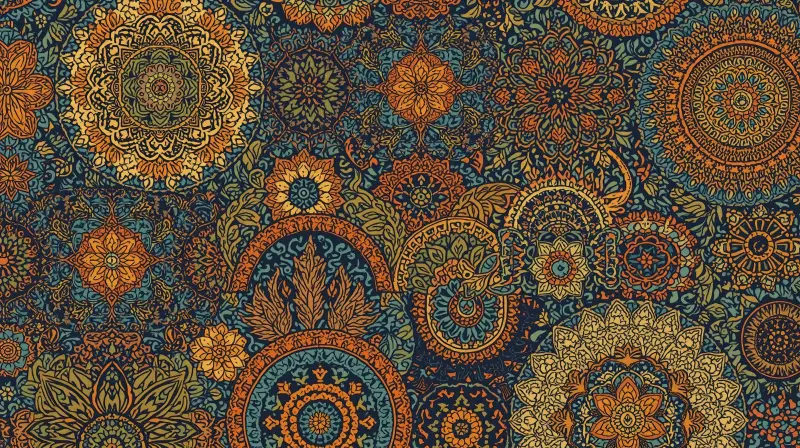
From geometric shapes to floral accents, Ajrakh designs boast a variety of motifs that have cultural and aesthetic significance. One of the most recognizable aspects of Ajrakh prints is the repeated symmetrical pattern. Circles, stars, and bold lines are arranged in a way that seems both mathematically precise and artfully spontaneous. Many designs are inspired by Islamic architecture, where geometric symmetry is a key feature. Some patterns take inspiration from nature, incorporating small floral sprigs or delicate leaf outlines.
The layout of motifs in Ajrakh printing is typically arranged so that the design appears uniform and continuous across the entire length of the saree. Despite the complexity, skilled artisans manage to maintain clarity in each detail. When you drape an Ajrakh saree, you can admire how each motif flows seamlessly into the next, creating an almost mesmerizing effect. Observers might even find themselves tracing the lines with their eyes, following the repeated shapes as they converge into a unified composition.
Over the years, Ajrakh designs have also adapted to changing trends. Some artisans experiment with larger motifs or introduce subtle modern twists to the classic patterns. However, the essence remains the same. The carefully placed symmetrical blocks and the fusion of natural dyes give Ajrakh prints a timeless appeal that can complement both traditional and contemporary outfits.
The Geographic Heartlands of Ajrakh
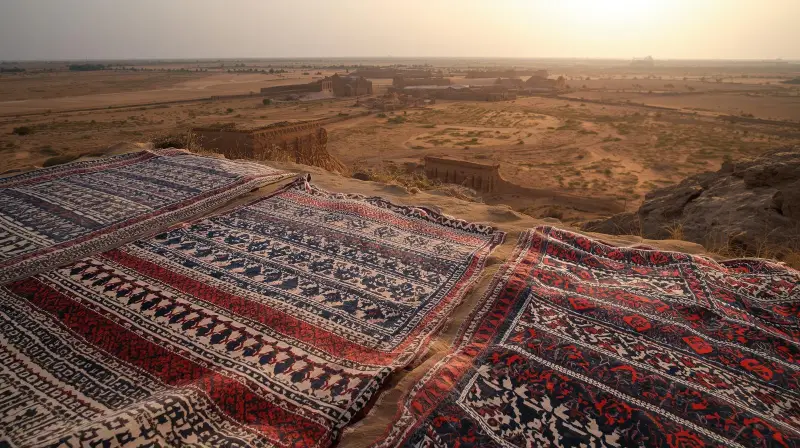
When we talk about Ajrakh sarees in India, the regions of Kutch in Gujarat and Barmer in Rajasthan often take center stage. These areas have artisan clusters that specialize in the art of Ajrakh printing. Families in these clusters have been practicing the craft for generations, refining their skills and passing them down to younger family members. If you ever get the chance to visit Kutch or Barmer, you will find small workshops buzzing with activity, where wooden blocks are laid out in neat rows, and yards of freshly dyed fabric dry under the bright sun.
Each region adds its own flavor to the craft, influenced by local water quality, climatic conditions, and cultural preferences. In Kutch, for instance, the water has a particular mineral composition that enhances the richness of the dyes. Craftspeople in Barmer may favor certain motifs or color palettes that set their work apart. These subtle differences are part of what makes Ajrakh so diverse and fascinating.
Today, you can also find pockets of Ajrakh artisans in other parts of India, including parts of Sindh in Pakistan. Although the craft’s core remains in Gujarat and Rajasthan, technology and faster communication have allowed artisans in different regions to connect with markets and customers worldwide. This wide reach ensures that the tradition can thrive and evolve, even as it retains its original essence.
Ajrakh in Contemporary Fashion
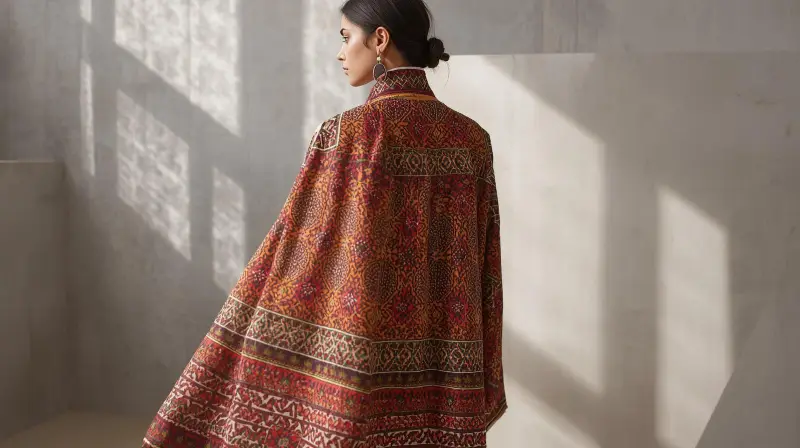
One might assume that traditional art forms struggle to remain relevant in the face of modern, mass-produced garments. Ajrakh printing, however, has found its place in the contemporary fashion landscape. Many designers and boutique labels now collaborate with Ajrakh artisans to create collections that blend heritage motifs with modern silhouettes. Sarees with Ajrakh prints are popular not just among lovers of traditional Indian attire, but also among those who enjoy experimenting with fusion styles.
Young fashion enthusiasts often pair an Ajrakh saree with trendy blouses, statement jewelry, or even Western-style tops for an eclectic look. The earthy tones of Ajrakh prints lend themselves well to accessories in gold, silver, or antique finishes. Some people even choose to wear Ajrakh sarees with chunky boots or sneakers, mixing cultures and style inspirations to showcase a unique personal statement. This versatility makes Ajrakh especially appealing in an era when individuality and sustainability in fashion are gaining importance.
If you are someone who loves design details, you might appreciate how well Ajrakh motifs can harmonize with other elements in an ensemble. A multi-colored Ajrakh saree can be worn for casual outings, cultural events, or even formal gatherings. It all depends on how you style it. At the same time, the availability of various fabrics ranging from pure cotton to silk-blended versions means you can choose an Ajrakh saree that is perfect for the weather or the occasion. This broad appeal has allowed Ajrakh printing to remain relevant and interesting, even as trends come and go.
Caring for Your Ajrakh Saree
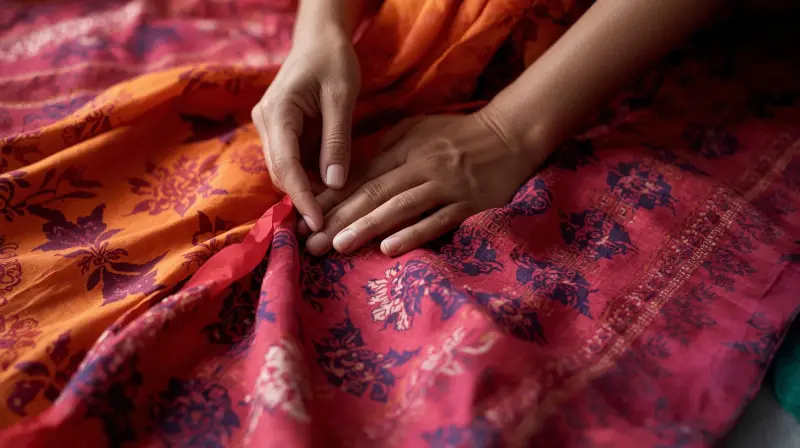
Once you have acquired a beautiful Ajrakh saree, you may wonder how to ensure that it stays vibrant for years to come. Since these sarees are dyed with natural pigments, taking a bit of extra care can go a long way in preserving their color and texture.
- Gentle Washing: Hand-washing your Ajrakh saree in cold water with a mild, pH-neutral detergent is generally recommended. Avoid soaking it for too long, and rinse it gently to keep the colors from bleeding.
- Drying in Shade: Prolonged exposure to direct sunlight can cause fading. It is best to dry your Ajrakh saree in the shade, where it can air-dry without strong ultraviolet rays compromising the dye.
- Ironing and Storage: Use a medium-heat setting while ironing, preferably on the reverse side of the fabric. Store your saree in a cool, dry place, ideally wrapped in a cotton cloth to allow it to breathe.
- Handle With Care: Even though Ajrakh prints are quite robust once the color is set, rough handling or harsh washing can damage the design. A bit of care while draping, storing, or washing can make a difference in how long your saree remains in excellent condition.
Sustainability and Ethical Considerations
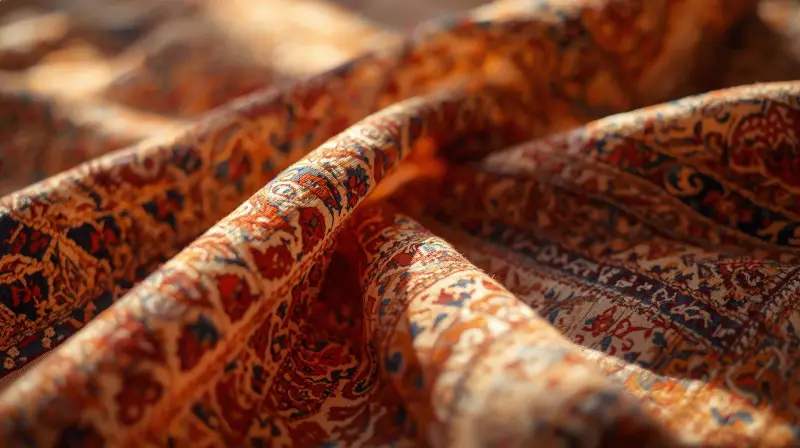
Today where fast fashion often dominates, there is a growing appreciation for textiles and garments that are made ethically and sustainably. Ajrakh printing involves a complex process that uses natural dyes and manual labor. This makes it more environmentally friendly compared to mass-produced garments that rely on synthetic dyes and automated machinery. When you buy an Ajrakh saree, you are essentially supporting a craft that operates on principles of respect for nature, human skill, and cultural continuity.
Moreover, supporting artisan communities through fair wages and transparent business practices helps maintain a system where craftspeople receive the compensation they deserve. It also allows them to reinvest in their craft, whether that involves purchasing quality raw materials, teaching newer generations, or exploring new design possibilities. By choosing to invest in artisanal products, you become part of a cycle that values tradition, sustainability, and fair trade.
Conclusion
The next time you come across an Ajrakh saree, take a moment to appreciate its details. Notice the subtle color gradients, the precise block prints, and the hidden intricacies that emerge upon close inspection. Feel the fabric between your fingers and imagine the long chain of people, processes, and traditions that led to that beautiful creation. Ajrakh printing continues to flourish because it resonates with our desire for authenticity, sustainability, and meaningful connections. It bridges the gap between heritage and modernity, offering a slice of history that fits effortlessly into contemporary wardrobes. As the world becomes more conscious about where and how our clothes are made, Ajrakh printing stands as an inspiring example of slow fashion which is a testament to the fact that garments can be both visually stunning and ethically produced.