In the digital era, where convenience and innovation shape consumer preferences, virtual try-on technology redefines the online shopping experience. This cutting-edge tool, powered by augmented reality (AR) and artificial intelligence (AI), is particularly transformative in saree shopping—an integral part of Indian tradition and culture. Buying sarees online often presents challenges, as customers struggle to visualize how intricate designs, patterns, and fabrics will look when worn. Virtual try-on technology bridges this gap, allowing users to digitally see themselves draped in a saree. By simply uploading a photo or using a live camera feed, shoppers can experiment with different styles, colors, and draping methods from the comfort of their homes.
The benefits are significant for both customers and retailers. Shoppers enjoy a personalized, interactive experience that boosts confidence and reduces returns, while retailers see increased engagement, higher conversion rates, and improved customer loyalty. As technology evolves, virtual try-on is set to become the future of saree shopping, blending tradition with modern innovation. It offers a perfect synergy of convenience, creativity, and cultural expression, ensuring that buying sarees online is as enjoyable and fulfilling as visiting a boutique.
1. What is Virtual Try-On Technology?
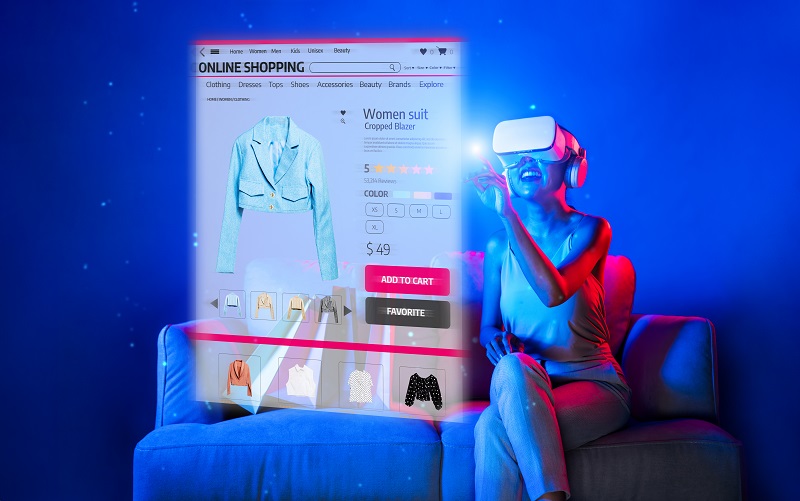
Virtual try-on technology is a groundbreaking innovation that uses augmented reality (AR) and artificial intelligence (AI) to provide shoppers with a digital fitting room experience. It eliminates much of the guesswork associated with online shopping by enabling users to visualize how a product will look on them before making a purchase. This technology is particularly transformative for fashion items like sarees, where fit, drape, and style are crucial. Customers can interactively “try on” garments by uploading photos, using a live camera feed, or leveraging avatars tailored to their body type and measurements.
Virtual try-on technology relies on advanced algorithms that simulate how garments behave and appear in real life. This includes intricate details such as fabric texture, color accuracy, and how a saree’s drape conforms to the user’s body. The AI analyzes key features like body dimensions and facial structure to ensure a realistic fit and appearance. Furthermore, AR layers the virtual saree over the user’s image in real time, providing a seamless, dynamic experience. Some platforms even offer features to customize styling, such as changing draping techniques, blouse designs, and accessory pairings, making the shopping journey highly personalized.
The versatility of virtual try-on technology extends beyond convenience—it addresses some of the biggest challenges in online saree shopping. Offering an interactive and immersive experience helps users visualize how a saree will look on their unique frame, reducing uncertainty and increasing purchase confidence. This capability enhances customer satisfaction
and benefits retailers by lowering return rates and boosting customer retention. As more brands adopt this technology, it is rapidly becoming an essential tool in modern e-commerce, setting new standards for purchasing traditional attire in a digital world.
2. The Appeal of Virtual Saree Try-On
Virtual try-on technology is reshaping the landscape of online saree shopping, making the experience more intuitive, engaging, and satisfying for customers. Traditional saree shopping often involves the tactile and visual assessment of fabric, design, and color, which can be challenging to replicate online. However, virtual try-on addresses this gap by providing a highly personalized and immersive shopping experience. By allowing users to see how a saree would look on them in real-time, this technology sets new standards for convenience and confidence in online retail.
One of the key appeals of virtual saree try-on is the ability to enhance visualization. Sarees come in various styles, patterns, and fabrics, each with unique draping characteristics. Customers often struggle to gauge how a specific saree will complement their body shape, complexion, or personal style through static images. Virtual try-on technology bridges this gap by providing a dynamic, 3D representation of the saree as it would appear when worn. Shoppers can easily experiment with multiple options, helping them make well-informed decisions without the guesswork typically associated with online shopping.
Another significant advantage is the boost in shopper confidence. The uncertainty of buying something as personal as a saree online can deter potential customers, especially for special occasions like weddings, festivals, or formal events. Virtual try-on technology alleviates these concerns by offering a realistic preview of the saree on the shopper’s image or live feed. This immersive feature empowers buyers to envision themselves in the attire, fostering a stronger emotional connection to their purchase and reducing hesitation.
For many online shoppers, the risk of returns due to mismatched expectations or sizing issues is a significant pain point. Virtual try-on technology effectively addresses this by minimizing returns and exchanges. By accurately representing how a saree will look and fit, the technology significantly reduces instances where customers receive products that fail to meet their expectations. This enhances customer satisfaction and benefits retailers by cutting down on the logistical and financial burdens associated with handling returns.
Beyond practical benefits, virtual try-ons also cater to the creative and exploratory aspects of shopping. Shoppers can play around with different saree draping styles, blouse designs, and accessories. This freedom allows customers to express their style and experiment with looks they may not have considered otherwise. For instance, a user can virtually try a traditional Kanjeevaram saree with a contemporary blouse design or pair a chiffon saree with statement jewelry to visualize a complete ensemble. This interactive experience transforms online saree shopping from a transactional activity into a delightful and inspiring journey.
Finally, the technology creates a sense of inclusivity and accessibility that was previously unattainable. Not everyone has the time or opportunity to visit physical stores, especially those in remote locations or living abroad. Virtual try-on democratizes access to diverse saree collections from renowned brands and artisans, enabling shoppers to explore and purchase designs that resonate with them regardless of geographical barriers. This accessibility broadens the retailer’s customer base and enriches the cultural exchange of traditional Indian attire globally.
In conclusion, virtual saree try-on technology appeals to shoppers by addressing common pain points while enhancing the overall experience. Making online shopping more interactive, reliable, and engaging is paving the way for a future where tradition meets technology seamlessly. This innovation ensures that the timeless elegance of sarees continues to thrive in a modern, digital world.
3. Technology Behind Virtual Try-On
Virtual try-on technology has revolutionized online saree shopping by seamlessly combining cutting-edge advancements in artificial intelligence (AI), augmented reality (AR), and computer vision. This innovative technology allows users to visualize how sarees will look on them in real time, creating an engaging and personalized shopping experience. The complex interplay of these technologies makes virtual try-ons accurate and intuitive, delivering an almost tangible experience to shoppers from the comfort of their homes.
At the heart of virtual try-on is AI-based 3D body mapping, which creates a digital replica of the user’s body. When a user uploads a photo or uses a live camera feed, advanced algorithms analyze body dimensions, posture, and proportions to construct an accurate model. This ensures the saree’s drape and fit align realistically with the user’s body type. AI also factors in body movements, enabling dynamic interaction with the saree, such as twirling or adjusting angles. The precision of body mapping is critical, as even minor inaccuracies could detract from the immersive experience.
Augmented reality takes the visualization experience to the next level by overlaying the saree onto the user’s image. AR ensures the saree appears natural, with realistic contours and flow. The intricate draping style of sarees poses a unique challenge, as different regions of India have diverse draping methods, from the Nivi style to the Bengali and Gujarati drapes. AR algorithms account for these variations, allowing users to select their preferred draping style. Additionally, advanced AR can simulate the interplay of light and shadows on fabrics, mimicking how the saree would look under different lighting conditions, such as daylight or indoor settings.
One of the most compelling aspects of virtual try-on is its ability to simulate the texture and behavior of saree fabrics. Sarees are crafted from various materials like silk, cotton, chiffon, and georgette, each with unique characteristics. AI-powered texture mapping ensures that the fabric’s sheen, weight, and flow are accurately replicated. For instance, a silk saree is rendered with a glossy finish and appears structured, while a chiffon saree looks lightweight and fluid. This attention to detail enables users to gauge the look and feel of the saree, fostering a richer shopping experience.
Personalization is a key feature of virtual try-on technology, allowing users to experiment with various elements of their saree ensemble. AI enables users to customize draping styles, choose blouse designs, and accessorize with jewelry or handbags. Some platforms even offer makeup simulations to complete the look. Machine learning algorithms analyze user preferences and past shopping behavior to recommend sarees tailored to individual tastes. Over time, this system becomes more refined, offering increasingly accurate and appealing suggestions, which enhances the user experience and boosts sales for retailers.
For a truly impactful experience, virtual try-on systems are designed to integrate seamlessly across devices and platforms. Whether shopping via a smartphone app, tablet, or desktop, users can access the technology with minimal setup. Advanced cloud computing ensures that the processing power needed for real-time rendering and interaction is handled efficiently, making the feature accessible even on devices with limited capabilities. Moreover, emerging technologies like edge computing improve response times, ensuring a smooth and lag-free experience. This universal accessibility democratizes the technology, making it usable for shoppers across varied demographics and regions.
Virtual try-on technology represents the perfect convergence of innovation and usability, offering a highly engaging solution to the challenges of online saree shopping. By leveraging AI for body mapping, AR for realistic draping, and advanced algorithms for fabric simulation, it delivers an immersive and authentic experience. Real-time personalization and seamless integration ensure that users can enjoy the benefits of this technology regardless of their technical expertise or device capabilities. As these systems continue to evolve, we can expect even more sophisticated features, such as haptic feedback to simulate fabric texture, making virtual try-on an indispensable tool in the future of online fashion retail.
4. Benefits for Online Saree Retailers

Virtual try-on technology is not just a customer-centric innovation; it also offers numerous benefits for online saree retailers, enhancing operational efficiency, customer satisfaction, and profitability. By integrating this advanced tool, retailers can stay competitive and redefine the online saree shopping experience. Here’s a detailed look at how virtual try-on is a game-changer for businesses in the saree retail space.
One of the primary benefits of virtual try-on technology is its ability to capture and sustain customer attention. Unlike static product images, an interactive try-on feature allows customers to visualize themselves wearing different sarees and exploring various styles, colors, and draping options. This immersive experience increases the time spent on a retailer’s platform, making customers more likely to purchase.
Engaged customers are also more likely to return for future purchases. The technology fosters a sense of fun and creativity in shopping, which builds emotional connections with the brand. Repeat customers are invaluable, as they spend more over time and act as brand ambassadors, recommending the retailer to friends and family.
Returns are a significant challenge in online retail, especially in the saree market, where fit, color, and draping style play critical roles. Virtual try-on minimizes these issues by providing customers with a clear understanding of how the saree will look on them before they make a purchase. This reduces the likelihood of dissatisfaction and the need for returns.
Lower return rates translate into substantial cost savings for retailers. Managing returns involves logistical expenses, restocking fees, and the risk of damaged or unsellable goods. By reducing returns, retailers can improve their bottom line and allocate resources to more productive areas, such as marketing and inventory expansion.
Building trust is crucial for online saree retailers, as customers often hesitate to invest in high-value items without seeing them in person. Virtual try-on technology addresses this concern by offering transparency and confidence in shopping. When customers can virtually “try before they buy,” they perceive the retailer as credible and customer-focused.
Moreover, offering state-of-the-art technology positions the retailer as an industry leader, setting them apart from competitors. Customers associate such innovations with quality and reliability, strengthening brand loyalty and encouraging positive reviews and word-of-mouth promotion.
Virtual try-on platforms generate valuable data that can inform business strategies. Retailers can track user preferences, popular styles, and frequently tried sarees, gaining insights into what customers want. This data helps curate collections that align with customer demands, optimize inventory, and plan marketing campaigns.
For instance, if a retailer notices a high demand for a particular color or fabric, they can stock more items to meet customer needs. Similarly, identifying trends in regional preferences can help tailor marketing efforts to specific demographics. Such insights empower retailers to make informed decisions, enhancing operational efficiency and profitability.
Virtual try-on significantly boosts conversion rates by addressing the uncertainties that often deter customers from completing a purchase. When shoppers visualize how a saree will look on them, they are more likely to proceed confidently and finalize their order. This reduces cart abandonment rates and increases sales.
Additionally, the ability to showcase multiple styling options and accessories alongside the saree creates opportunities for cross-selling and upselling. For example, customers might be tempted to purchase a matching blouse, jewelry, or petticoat that complements the saree they’ve tried on virtually. This bundling effect increases average order value and enhances customer satisfaction by offering a complete shopping experience.
Adopting virtual try-on technology is a strategic move for online saree retailers with multifaceted benefits. From enhancing customer engagement and reducing returns to improving brand trust and driving sales, this innovation reshapes how sarees are marketed and sold online. As consumer expectations evolve, retailers embracing such technology will be better positioned to thrive in a competitive landscape, delivering value to their customers and businesses.
Conclusion
Virtual try-on technology is reshaping the landscape of online saree shopping, offering a perfect blend of tradition and innovation. Allowing shoppers to visualize sarees on themselves in real-time eliminates the guesswork, builds confidence, and reduces returns, making online shopping more efficient and enjoyable. It’s a game-changer for retailers, fostering customer engagement, loyalty, and insights into shopping preferences. As the technology evolves, we can expect even more lifelike simulations, personalized recommendations, and widespread platform adoption. These advancements will make saree shopping inclusive and accessible to a broader audience while preserving this timeless attire’s beauty and cultural significance. However, challenges like ensuring accurate draping simulations and managing costs for small businesses remain. Addressing these issues will be crucial for broader implementation. Ultimately, virtual try-on represents the future of online saree shopping—a seamless and immersive experience that celebrates both technology and tradition. By embracing this innovation, retailers and customers can enjoy a more personalized, satisfying, and hassle-free shopping journey. The saree, a symbol of elegance and heritage, is poised to shine even brighter in the digital era.