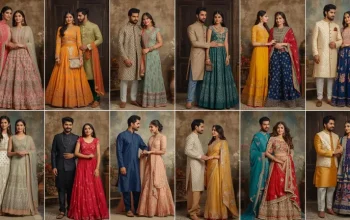
AI, or artificial intelligence, has taken the world by storm, unleashing a new world of possibilities. India’s AI market is projected to expand at a 17.94% CAGR, reaching a value of $14.72 billion by 2030. From healthcare and fintech to marketing and education, it has made significant records in every industry, and fashion is no exception. The synergy of fashion and technology brings personalized recommendations, data-driven insights, predictive analysis and many more.
India’s fashion industry, rich in heritage and trends, is changing remarkably with artificial intelligence (AI). As fashion intertwines with culture and traditions in India, AI technology is emerging as a game changer. From personalized shopping experiences to prompt customer support, AI is reshaping how brands design, produce, market, and sell their creations. Every aspect of the fashion industry is gaining huge benefits from AI, making it not an option but a necessity to stay competitive.
Let’s explore how AI is changing the fashion industry and paving the way for a smarter and more efficient fashion ecosystem.
Improved Customer Shopping Experiences
The biggest change AI has brought to the a fashion industry is improving the online shopping experience. Customers are able to find what they are looking for in a better and easier way. Here’s how AI improves shopping experience.
AI-powered Product Recommendations
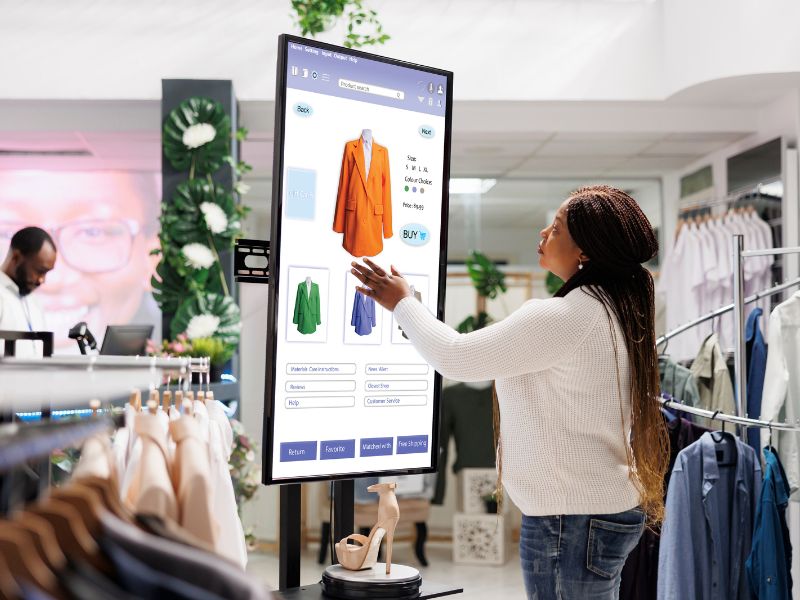
Have you ever noticed how the recommendations you receive often align perfectly with your preferences? That’s AI at work! E-commerce platforms like Myntra and Flipkart use AI algorithms to analyze customer browsing patterns, purchase history and user preferences. Using these metrics, companies offer tailored outfit suggestions to enhance customer shopping experience. For sellers, the outfits suggested according to purchase history increase the chances of purchase and boost brand loyalty.
Virtual Try-ons

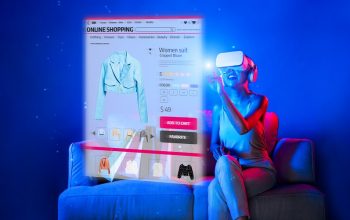
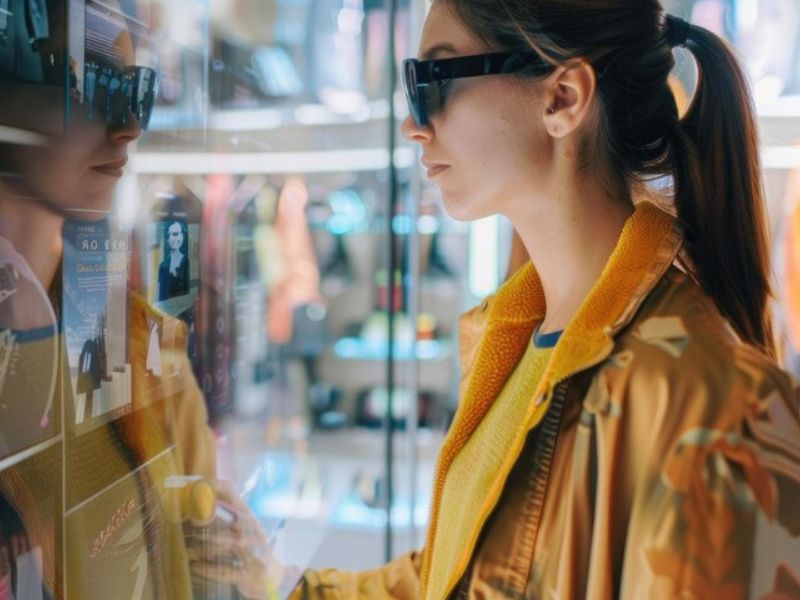
Uncertainty in size, design and fitting has been one of the biggest problems in the online fashion industry. But due to Augmented Reality (AR) and Virtual Reality (VR), we now have AI-powered virtual fitting rooms that make virtual try-ons a reality! Virtual reality creates a 3D model of the customer based on their size, height, body type and weight. Customers can actually see how an outfit will look on them before buying it, making it so much easier to pick the perfect one. It’s a win-win situation for both customers and sellers, enhancing the shopping experience while also reducing returns.
High Customization

AI has taken customization to the next level by offering a range of customization options like fabric, color, design, specifications, and personal touches. Today, customers can choose a distinct, personalized item that aligns with their tastes and preferences. Plus, with design previews and detailed customization options, customers can see exactly how a specific item will look before they buy. Brands like Limeroad use AI-driven visual search, allowing customers to upload images and receive similar product suggestions. This improves the buying experience as well as caters for the unique and personalized demands of each customer.
Predicting Future Fashion Trends
India is a diverse country where fashion trends change in the blink of an eye. AI has the potential to predict fashion trends based on customer insights and what is presently trending. Have a look at how it predicts fashion trends:
Basic Trend Forecasting

AI analyzes social media trends, historical sales data, fashion week data, fashion blogs, trending fashion choices and cultural events. This data helps AI algorithms to understand and analyze customer taste and purchase patterns to predict upcoming styles and colors. For example, AI can detect emerging global and local trends by analyzing the collections from events like Lakmé Fashion Week. With such insightful information, designers can make the correct decisions for their upcoming collections and stay ahead.
Consumer Behavior Analysis
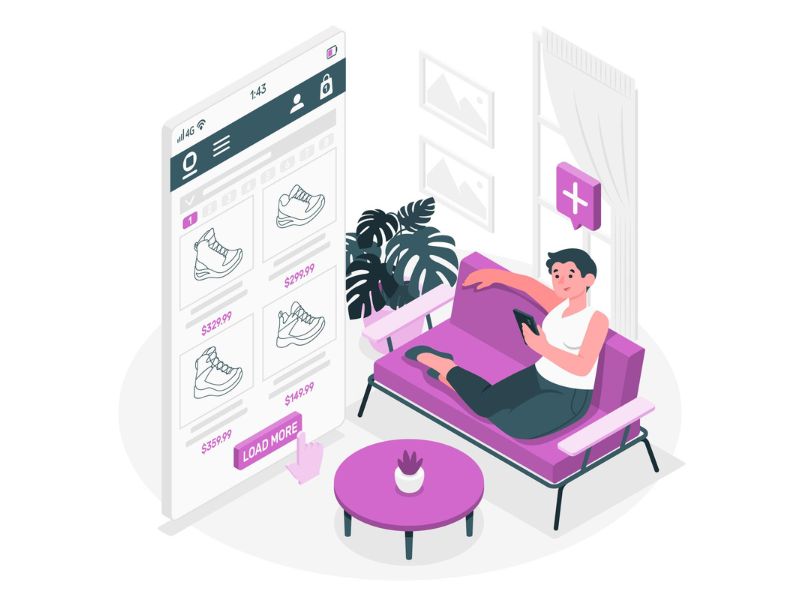
AI can also analyze browsing history, search trends, maximum purchases, and purchase patterns on e-commerce platforms. By understanding what fashion products are in high demand, AI can predict which items and styles will be in trend in upcoming seasons. This data-driven, insightful approach helps brands purchase the right products and reduce the risk of overstocking and understocking. Additionally, when brands know what customers like, they can make similar types of clothing in different designs, thus increasing sales.
Real-Time Fashion Monitoring
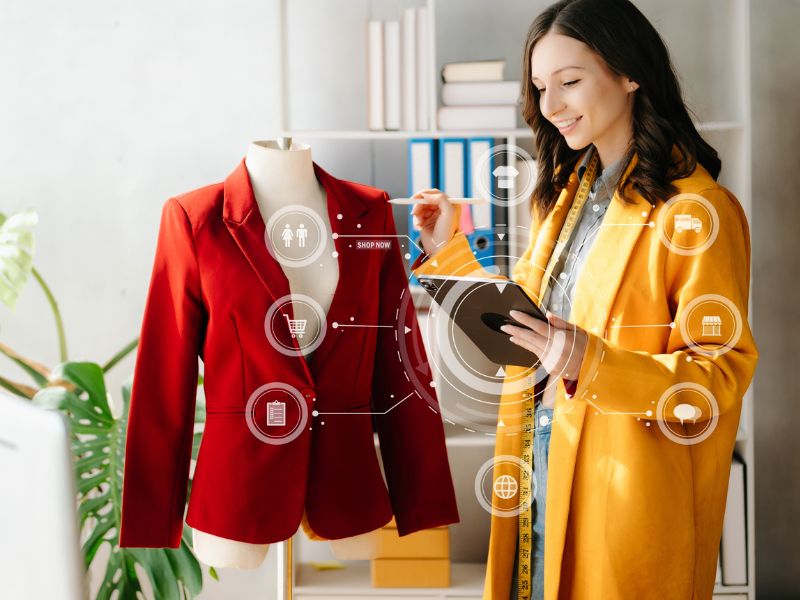
AI-powered tools also monitor real-time data, such as influencer endorsements, to forecast trends before they go mainstream. Moreover, machine learning, with its smart algorithms, spots trends, forecasts demand and makes better business decisions. This helps fashion brands and designers respond quickly to sudden shifts in customer taste, ensuring they don’t miss out on hot trends. For example, brands like Myntra and Ajio use AI to analyze social media and global fashion data to predict upcoming trends.
Manufacturing and Supply Chain Optimization
AI is a blessing not only for customers but also for sellers and manufacturers. It plays a crucial role in manufacturing and supply chain optimization, ensuring maximum sales and minimum losses. Here’s how AI helps in manufacturing and supply chain optimization:
Efficient Inventory Management

Overstocking leads to potential losses due to changes in trends, while understocking causes missed opportunities to meet customer demand and drive sales. Both understocking and overstocking can pose significant challenges for businesses. However, AI predicts demand patterns by analyzing sales and customer preferences, empowering brands to align their inventory accordingly. When brands know the demand patterns, they can match their inventory levels with market demand without overstocking or understocking. This helps brands tap the emerging opportunities, reduce out-of-stock situations, and skyrocket their sales.
Supply Chain Optimization
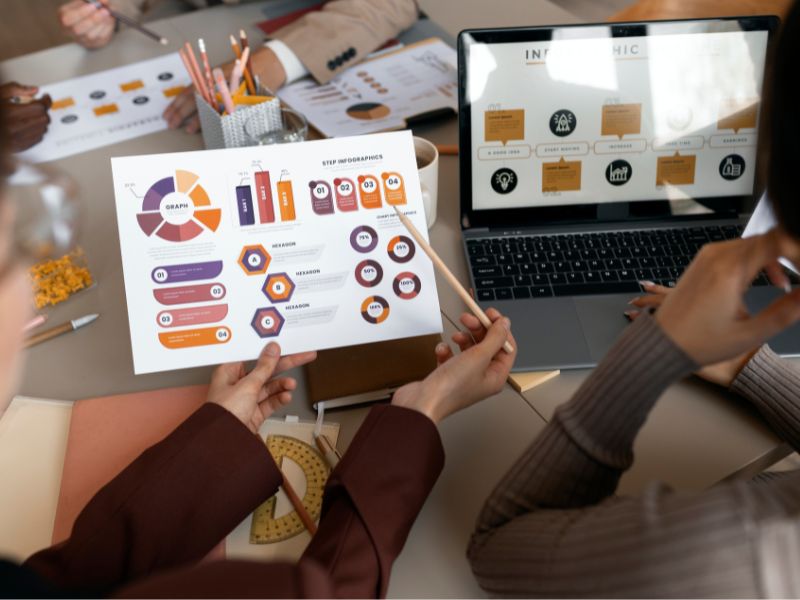
Efficient supply chain management is crucial for delivering products to customers at the right time and at a reasonable cost. AI is helping companies refine supply chain operations based on sales history, inventory levels, and external factors like weather, events, and market trends. By leveraging these insights, designers and brands can accurately predict demand, minimize waste, and streamline logistics. Additionally, AI enables real-time tracking and adjustments, ensuring timely deliveries, reducing bottlenecks, and boosting customer satisfaction.
Helps in Sustainable Fashion
Due to increasing awareness about environmental conservation, more and more customers are shifting towards sustainable fashion. AI helps manufacturers and designers create eco-friendly and ethically produced products and improve sustainability. Here’s how AI is helping with sustainability:
Waste Reduction

An AI-powered tool, Patterned AI, generates unique patterns for clothing designs. It helps designers create layouts and designs that maximize fabric usage and reduce leftover scraps. This way, AI minimizes fabric waste during the cutting and designing process and reduces material wastage. Secondly, AI accurately predicts demand using sales data and customer behavior, allowing brands to produce the correct quantity of items and avoid overproduction.
Eco-Friendly Production
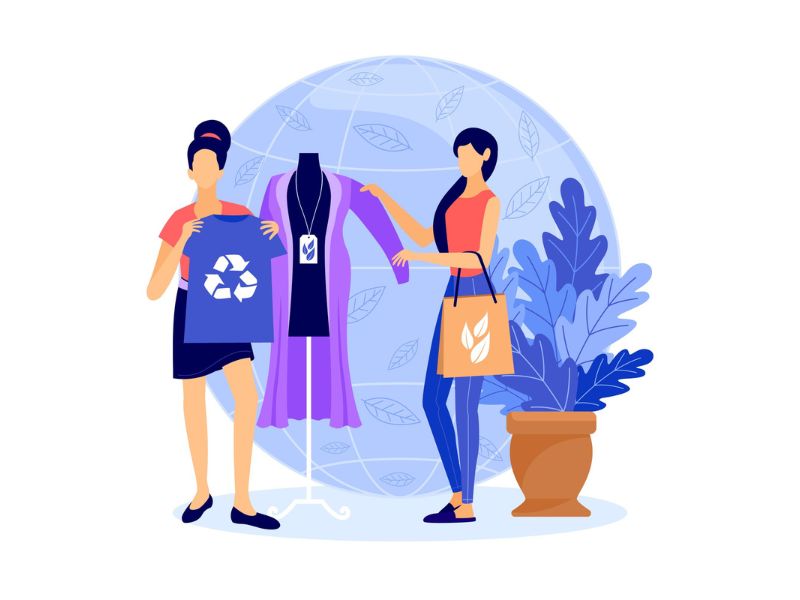
AI suggests sustainable alternative materials like organic cotton, recycled polyester, bamboo, etc., to help brands make a complete shift towards green materials. Along with materials, it also suggests eco-friendly manufacturing methods to reduce environmental impact. Moreover, with smart algorithms, AI identifies areas where consumption can be reduced without compromising on quality, thus reducing energy use. Smart automation reduces errors, ensures accuracy and minimizes wastage.
Sustainable Supply Chain Management

Besides sustainable materials and manufacturing methods, AI is revolutionizing supply chain management also. It calculates the carbon footprint of various supply chain stages and suggests strategies to reduce emissions. Moreover, AI tracks and optimizes transportation routes, reducing the environmental impact of shipping raw materials and finished products. At last, it monitors compliance with environmental regulations and fair-trade practices, resulting in sustainable supply chain management.
Enhanced Customer Service and Experience
Customer service is one of the most crucial aspects of the fashion industry to build brand loyalty and improve sales. AI is changing the Indian Fashion industry by enhancing customer service and improving user experience. Here’s how AI enhance customer service and experience:
AI Powered Chatbots
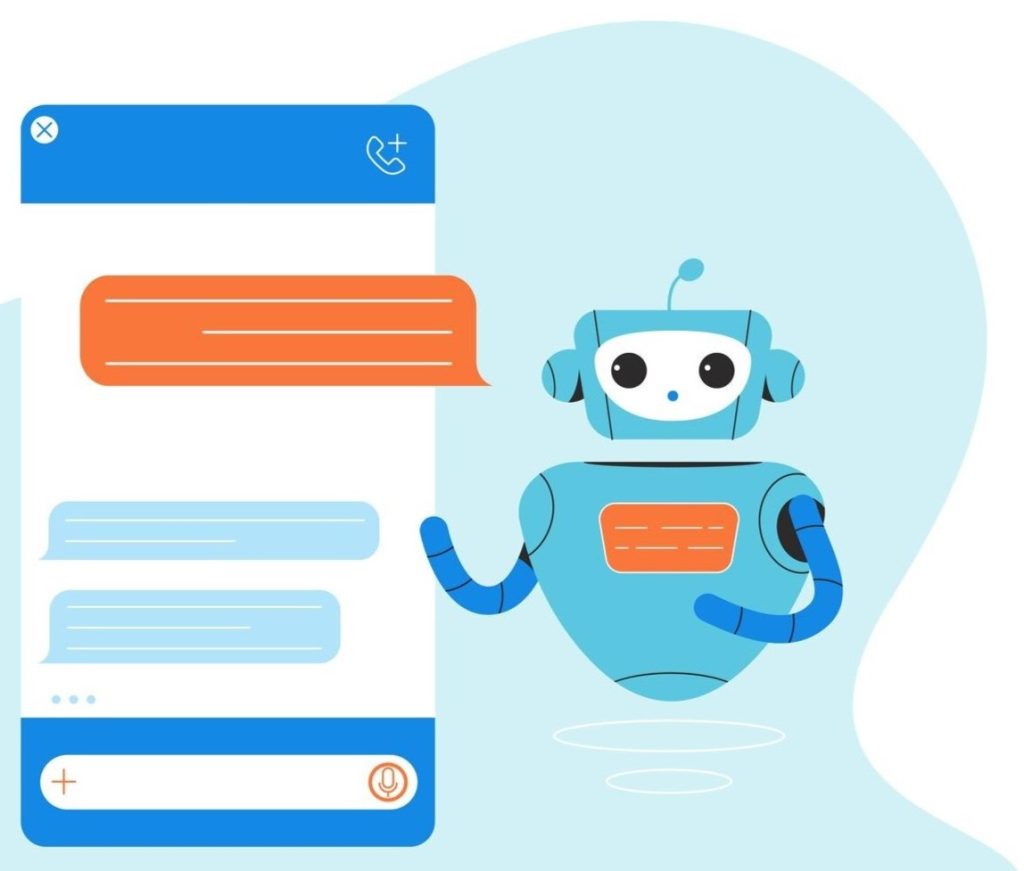
One of AI’s greatest gifts is chatbots that provide instant answers to customer queries without needing human assistance. AI-powered chatbots and Virtual assistants like “Myntra Bot” remain available 24/7, quickly reply to queries and offer support in multiple regional languages. They provide correct product information, answer important concerns, guide through the purchase process and assist with shopping, improving efficiency and enhancing customer experience. On an advanced level, AI chatbots offer personalized suggestions based on customer preferences, thus increasing both customer satisfaction and sales.
AI-Driven Sizing Tools

AI-powered tools are changing online shopping by helping customers find the right fit. Virtual fit assistants use measurements or past purchases to suggest the best size, reducing returns due to fit issues. Some platforms take it further by recommending products based on body shape and dimensions. With this, AI helps in addressing major fit issues and makes shopping easier and more satisfying for customers. Customers can enjoy a personalized and hassle-free shopping experience, which in return boosts sales and revenue of the fashion industry.
Product Designing and Development
AI is revolutionizing product designing and development in the Indian fashion industry. It seamlessly blends technology with creativity to design products, enhance innovation and meet customer demands. Here’s how AI enable designers to create more efficiently:
AI-Generated Designs
AI analyzes the target market, understands customer tastes and preferences and the most demanding styles and designs. Using this data, AI tools like Runway ML, DALL·E and Deepart help designers visualize new patterns, designs, fabrics or silhouettes by creating virtual prototypes. This allows fashion designers to create unique patterns and concepts by merging creativity with machine learning. Designers can experiment with various styles, colors, fabrics and designs, creating versatile fashion apparel. With deep learning algorithms, AI also understands traditional Indian outfits, offering a blend of Indian motifs with modern styles, resulting in unique and creative collections.
3D Prototyping
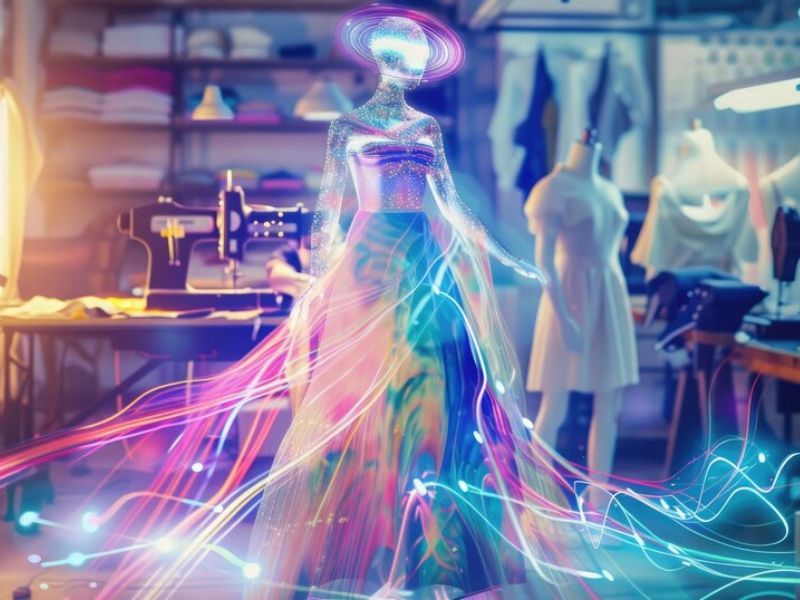
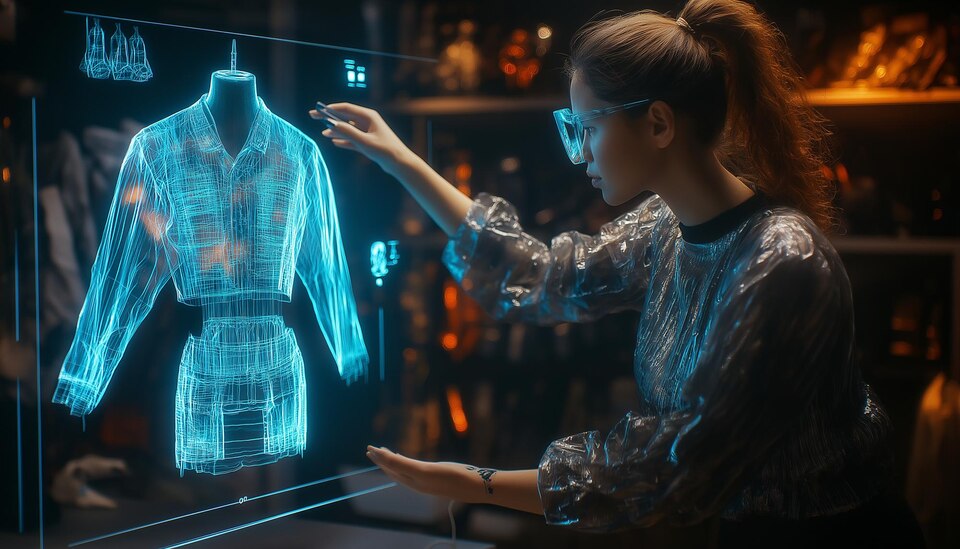
AI-powered software like CLO 3D and Browzwear enables designers to create digital versions of garments and test their demand and likability. This reduces the need for physical samples, saving precious time and resources. Additionally, designers can see how fabrics will look and move on a model, ensuring precision in the final product. 3D prototyping not only reduces the chances of errors but also helps to manufacture fashion items that receive acceptance in the market. In short, AI-driven software speeds up the design-to-production process while ensuring high quality.
Automated Product Tagging with AI
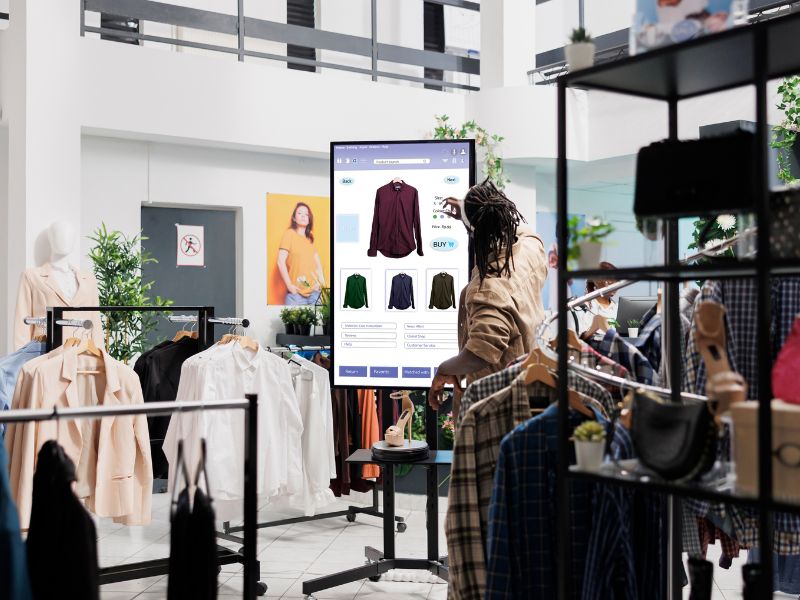
Product tagging, once a daunting task, has become more manageable with AI technology. E-commerce giants like Nykaa, Myntra, and Meesho use AI and advanced photo recognition to automatically assign relevant tags or labels to products in an online store or inventory. By analyzing product images, descriptions, and attributes, AI categorizes and tags items with keywords that best describe them. Automated tagging enhances user experience and streamlines inventory management for businesses.
Enhanced Marketing Strategies
Proper marketing is one of the most important aspects of every industry, and the fashion industry is no exception. AI offers targeted strategies to reach the right audience at the right time and increase the chances of conversions. Here’s how AI helps in enhancing marketing strategies:
Data-Driven Campaigns

AI tools help marketers understand consumer behavior, preferences, and demographics to create highly targeted ads. It also divides consumers into segments based on their interactions with the brand. This helps brands target specific customer segments with personalized advertisements based on their interests. For instance, platforms like Myntra and Flipkart use AI to display personalized promotions based on a user’s browsing and purchasing history.
Influencer Collaborations

AI platforms identify the most relevant and relatable influencers in the fashion industry based on their engagement metrics and audience segments. This helps brands reach out to highly potential influencers who can help them market products to the right audience and increase sales. AI tools also track the success of influencer campaigns by measuring the analytics of posts and helping brands decide which partnerships are most beneficial.
Loyalty Programs

AI algorithms analyze customers’ shopping history to determine which customers have become the brand’s loyal customers. They then use past purchases, preferences, and behavior to target these customers with special offers, loyalty rewards, or discounts. These rewards elevate customer engagement and foster a sense of positive brand loyalty, which aids in increasing sales.
Conclusion
AI is a game changer in the Indian fashion industry, offering opportunities for personalized recommendations, chatbot services, virtual try-ons and many more. It helps sellers and designers with 3D prototyping, inventory management, supply chain management, trends forecasting, and marketing strategies. With AI tools, customers can get what they are looking for and can even try virtually before buying. On the other hand, sellers can reach a more targeted audience based on their past purchases and preferences. In a nutshell, AI is a powerful tool that enhances creativity, efficiency, and personalization in the fashion industry.